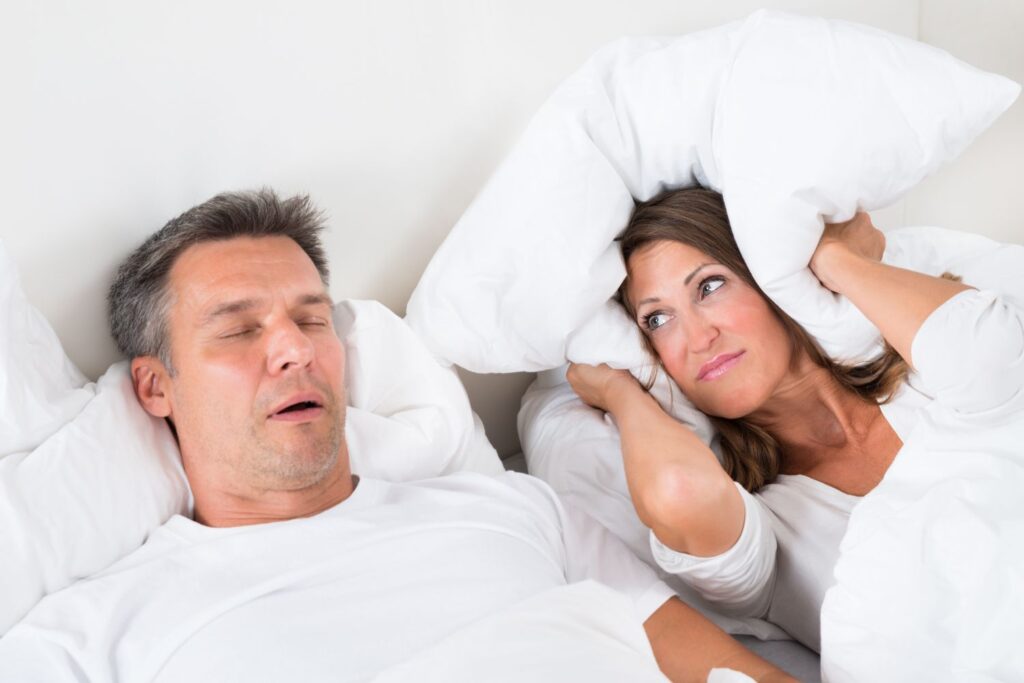
Sleep apnea is one of the few medical conditions that can start to be diagnosed based
on sound alone. However, knowing the signs and symptoms of sleep apnea is step one
in getting appropriately diagnosed and treated.
What does sleep apnea sound like? What can be done about it if you are given that
diagnosis? Stellar Sleep discusses the basics of this common condition.
What Is Sleep Apnea?
Sleep
apnea is a sleep disorder that causes numerous, temporary lapses in
breathing as a person sleeps. While some of the side effects of sleep apnea (like
excessive daytime sleepiness and morning headaches) can be disruptive, the most
significant concern is that these pauses in breathing can lead to a lack of oxygen
in the body.
There are two different forms of sleep apnea: central sleep apnea (CSA) and
obstructive sleep apnea (OSA). Both forms can impact your overall health but are
caused by different underlying factors. Central sleep apnea is more neurologic in
nature (involving poor signaling between the brain and the body), while obstructive
sleep apnea is related to physical airway issues.
What Does Sleep Apnea Sound Like?
While nearly half of American adults snore in their sleep,
there’s a difference between occasional sleep snorting and snoring and the more
significant signs of sleep apnea.
One of the ways to tell the difference between “regular” snoring and sleep apnea is
to pay attention to the breathing patterns. Regular snoring tends to occur
rhythmically, while sleep apnea is often far more erratic. In addition,
non-apnea-related snoring doesn’t involve those tell-tale pauses in breathing or the
gasping that can occur when breathing returns.
What Health Conditions Can Mimic Sleep Apnea?
Certain health conditions can present similar signs and symptoms as sleep apnea,
which is why it is essential to undergo a sleep study to be officially diagnosed.
For example, congestive heart failure, hyperparathyroidism, and insomnia can also involve a change
in daytime alertness and drowsiness, while morning headaches can be triggered by
allergies, fibromyalgia, hypertension, and temporomandibular joint dysfunction
(TMJ).
Any new physical symptoms should be evaluated by a medical professional.
How Is Sleep Apnea Treated?
If you’ve been diagnosed with sleep apnea, your thoughts have probably turned to how
to treat it. Luckily, there is plenty of research on the effectiveness of sleep
apnea treatments.
Treating sleep apnea is just as beneficial as taking steps to reduce your risk
factors. With time, sleep apnea may even resolve (depending on which form you’re
dealing with) if you follow medical advice and recommendations appropriately.
CPAP
Sleep apnea and CPAP machines go hand in hand — they’re one of the most popular and
effective treatment options available to help treat the signs and symptoms of the
disorder.
CPAP is short for continuous positive airway pressure, which describes how these
machines support people with sleep apnea snorers. When you wear them, they “force”
pressurized air into the airways to keep them from collapsing. Even without
additional oxygen, CPAP machines can help increase blood oxygen levels in the body.
It can take some time to adjust to having to wear a CPAP machine as you sleep, as
even the smallest machines are bulky and can be awkward to wear. However, these
machines also keep track of your “compliance” level, so seeing the difference they
can make when you wear them consistently can be enough to make the temporary
discomfort worthwhile.
Try Lifestyle Changes
Making specific lifestyle changes can also help improve the signs
and symptoms of sleep apnea. The most significant way to minimize your symptoms is
by losing weight. Being overweight can put additional pressure on the airways,
making them more likely to temporarily collapse.
Even taking steps to make a small change in your weight can be enough to give you
(and your bed partner) some relief. Plus, keeping your body at a healthy weight can
help reduce your risk of developing many other health conditions as well.
Your sleep position (and overall sleep hygiene) can also contribute to sleep apnea.
Loud snoring is more likely to happen when people sleep on their backs (as more
pressure gets placed on the soft tissues of the upper airways). Sleeping on your
side or stomach, provided you don’t need to wear a CPAP machine, can reduce the
likelihood of snoring or temporary airway collapse.
Address Risk Factors
There are also a variety of risk factors that can exacerbate the symptoms of sleep
apnea.
Medical conditions that can increase the risk of developing sleep apnea include those
that impact the cardiovascular system (like heart disease and high blood pressure)
and endocrine system (like diabetes and thyroid dysfunction). In addition, obesity
and swelling of the adenoids and/or tonsils can also obstruct airflow through the
upper airway and the back of the throat.
It can also help to know your family history if you suspect sleep apnea. In some
cases, sleep apnea can be genetic, as can many factors that contribute to developing
the condition. Being aware of any potential genetic predisposition can motivate you
to make changes to prevent them.
See a Sleep Specialist
Think you may have sleep apnea? It may be time to take a trip to a sleep medicine
specialist. Sleep specialists are the gateway to diagnosing and treating sleep apnea
appropriately. They can order sleep studies and discuss treatment options (like CPAP
therapy and oral appliances/mouthpieces) so that you can get more restful, quality
sleep.
The Bottom Line
What does sleep apnea sound like? If your bed partner is telling you that your
snoring has been keeping them up at night or you’re noticing that you don’t wake up
feeling rested and refreshed, it may be time to seek medical care.
Take Stellar Sleep’s free sleep quiz for other ways to
improve your sleep. High-quality sleep requires a combination of physiological and
psychological techniques — a CBT-I coach can
help you navigate the information and develop a concrete game plan.
Sources:
What Is
Sleep Apnea? | NHLBI, NIH
Snoring – an overview | ScienceDirect Topics
Continuous
Positive Airway Pressure | StatPearls – NCBI Bookshelf
Cultivating Lifestyle Transformations in Obstructive
Sleep Apnea | PMC